
The 25th Shanghai Cooperation Organisation (SCO) Summit, held in Tianjin, China, from August 31 to September 1, 2025, marked the largest gathering in the organization’s history, amplified perceptions of a shifting world order, with SCO (representing ~40% of the world’s population and one-third of its economy) challenging U.S.-led dominance.
From India’s viewpoint, the summit was a diplomatic balancing act, aligning with its “multi-alignment” strategy amid strained U.S. ties (e.g., 50% tariffs on Indian goods for Russian energy imports). PM Modi’s attendance—his first SCO visit to China in seven years—signaled a thaw in bilateral relations post-2020 border clashes.
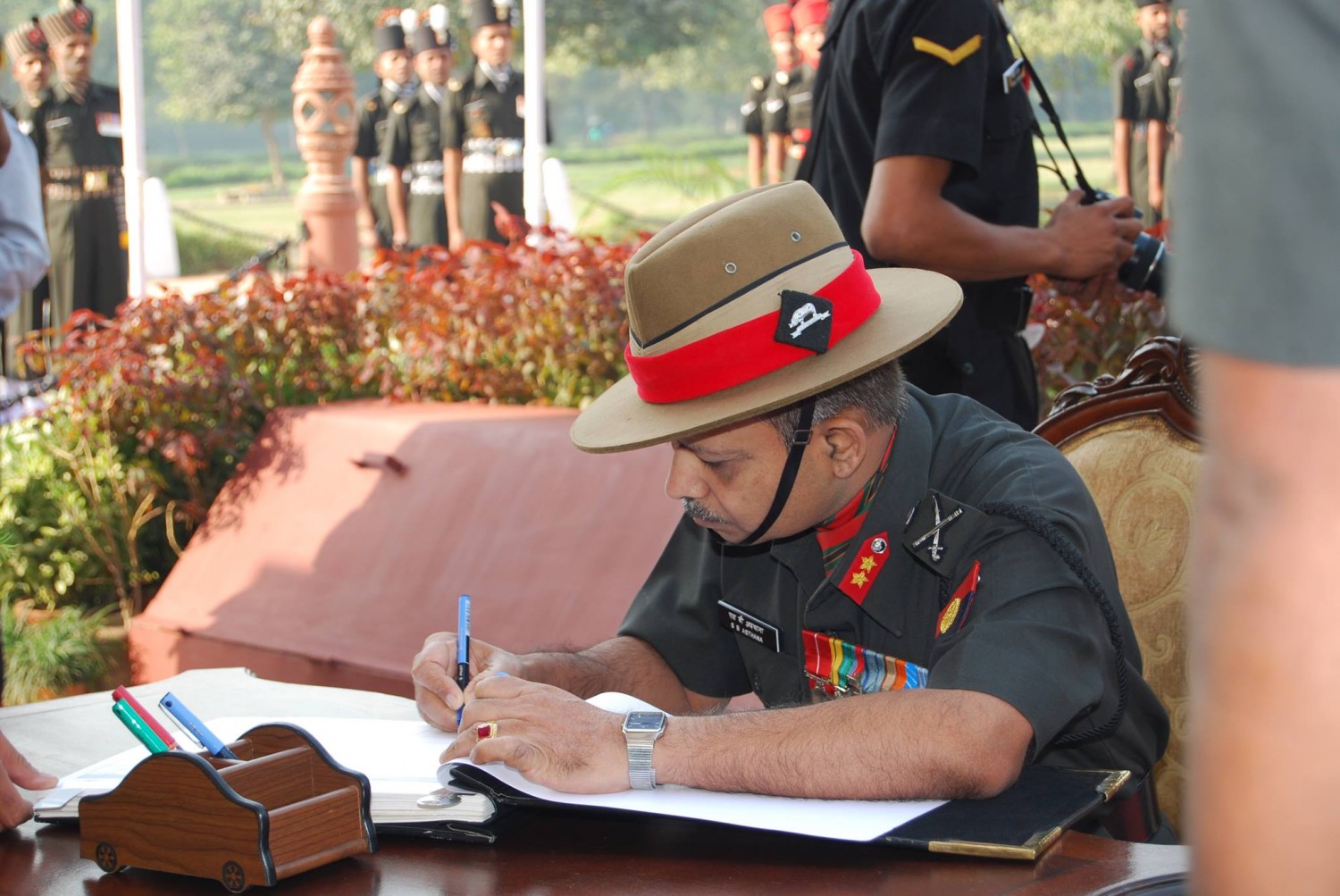
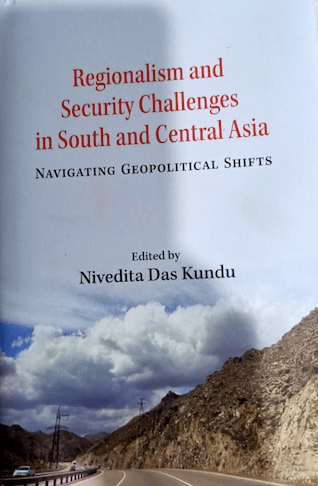
In this context I am sharing a chapter of mine published in the Book “Regionalism and Security Challenges in South and Central Asia: Navigating Geopolitical Shifts”, published by Pentagon Press LLP, New Delhi, India, ISBN 978-81-99162-2-1, Chapter 18, pages 134-138 . The chapter is titled as “Strengthening Military and Security Cooperation in the SCO: An Indian Perspective” The detailed text is reproduced below to enable readers who don’t have access to the book.

Strengthening Military and Security Cooperation in the SCO: An Indian Perspective
By
Major General Dr S B Asthana,SM,VSM,PhD (Veteran)
“India envisions the SCO as a platform for regional security without being anti-West. India considers itself as part of Global South, which is ‘Non West’ but not ‘Anti West”
Abstract
The Shanghai Cooperation Organization (SCO) has emerged as a key regional bloc, established in 2001 to enhance regional security, economic cooperation, and political stability among its members, including China, Russia, India, Pakistan, and Central Asian states. The SCO aims to promote stability in Eurasia, combat terrorism, and address security concerns. However, the SCO faces challenges such as political divisions, China’s influence, and the lack of a strong institutional framework. India’s role in the SCO is complex, as it seeks to counter terrorism, engage with Central Asia, and balance China’s power while navigating geopolitical rivalries and maintaining strategic autonomy. India plays a crucial role in strengthening the SCO’s security cooperation through counter-terrorism efforts, military cooperation in joint exercises, and contributions to cyber and information security. India advocates for enhanced regional connectivity and proposes initiatives to develop a secure digital ecosystem within the SCO. To enhance its security framework, the SCO needs to address internal divisions, strengthen military cooperation, and develop cyber-defence mechanisms. The organization’s future depends on balancing geopolitical interests with collective security goals.
Backdrop
The Shanghai Cooperation Organization (SCO) has emerged as a key regional bloc. Established in 2001, the SCO was primarily founded to enhance regional security, economic cooperation, and political stability among its members, which include China, Russia, India, Pakistan, and four Central Asian states (Kazakhstan, Kyrgyzstan, Tajikistan, and Uzbekistan). Iran and Belarus[i] (Preiherman Yauheni, 2024) have recently became members.
Since its inception in 2001, the organization has aimed to promote stability in Eurasia, combat terrorism, and address common security concerns. The Shanghai Cooperation Organization (SCO) is one of the largest regional organizations in terms of geography and population, covering over 42% of the global population and nearly one-third of the world’s GDP. With global organisations like UN suffering drop in credibility, the role of regional organisations like SCO seems to be increasing is evident from the fact that many countries want to join it.
For India, the SCO presents both opportunities and challenges. India’s inclusion as a full member in 2017 marked a strategic shift, allowing New Delhi to engage with Central Asian countries, China, and Russia on regional security issues. As a relatively new full member, India is keen on leveraging the organization to combat terrorism, separatism, extremism, and cyber threats, while also countering Chinese influence in Eurasia. However, despite its potential, the SCO’s security framework faces significant hurdles, ranging from political rivalries to structural inefficiencies and external geopolitical pressures.
This article explores the challenges facing the SCO’s security framework and the future of military and security cooperation within the bloc, particularly from India’s perspective.
Geopolitical Realities and Emerging Security Threats
The evolving geopolitical landscape is increasingly shaped by great power contestation, regional conflicts, and the rise of unconventional warfare. While the Cold War 1.0 between the United States and the Soviet Union should have concluded with the collapse of the USSR in 1991, the world has instead transitioned into a complex multipolar order. The expansion of NATO eastwards, coupled with Russia’s aggressive geopolitical manoeuvres, has resulted in a situation where elements of Cold War 1.0[ii] persist alongside a renewed great-power competition—often termed Cold War 2.0—between the U.S.-led West and China, with Russia playing a pivotal role (Mearsheimer, 2014)[iii]. The outbreak of the Russia-Ukraine war exemplifies how these historical tensions continue to shape global politics.
The strategic rivalry between the United States and China has extended beyond traditional military posturing to encompass trade wars, technological decoupling, and ideological battles. This geopolitical contest is particularly visible in the Indo-Pacific, where the U.S. has strengthened alliances with regional players such as Japan, Australia, and India, forming initiatives like the Quad (Wuthnow, 2020)[iv]. China’s Belt and Road Initiative (BRI) and military advancements in the South China Sea further signal its intent to reshape global power structures.
Modern conflicts no longer rely solely on traditional military engagements but increasingly incorporate hybrid and multidimensional warfare tactics. Proxy wars, cyber operations, economic sanctions, and disinformation campaigns are now critical elements of statecraft (Galeotti, 2019)[v]. This trend is evident in conflicts from Ukraine to Yemen, where state and non-state actors engage in complex battles that extend beyond physical combat.
Cyber warfare, for instance, has become a crucial domain of geopolitical competition, with state-sponsored cyberattacks targeting critical infrastructure, financial systems, and political institutions. China, the United States, and Russia have all invested heavily in cyber capabilities, leading to an ongoing digital arms race. The role of artificial intelligence (AI) in surveillance, military decision-making, and automated warfare further complicates the modern security landscape.
Moreover, space militarization has become a reality, with major powers investing in anti-satellite weapons and space-based surveillance. The establishment of space-oriented military units, such as the United States Space Force, reflects the increasing significance of outer space in national security strategies (Dolman, 2002)[vi].
The influence of non-state actors, including terrorist organizations and mercenaries, has further destabilized the region. The Islamic State Khorasan Province (ISKP) and other extremist groups have exploited regional conflicts to expand their footprint, complicating counterterrorism efforts (Giustozzi, 2018)[vii]. The use of private military companies and mercenaries in conflicts—evident in Ukraine, Syria, and Africa—has underscored the evolving nature of warfare where state and non-state actors often operate in symbiotic relationships.
The decline of traditional global governance institutions, such as the United Nations (UN), has contributed to the challenges in managing international conflicts. The inability of the UN Security Council to address crises due to the veto power wielded by permanent members has led to diminished trust in multilateral diplomacy (Weiss, 2016)[viii]. In contrast, regional organizations such as the Shanghai Cooperation Organization (SCO) have gained prominence in addressing security issues through localized solutions. However, the SCO’s effectiveness remains limited by internal divisions, like India and Pakistan.
Western double standards in foreign policy have further eroded global trust in international institutions. While the U.S. and its allies have condemned Russia’s actions in Ukraine, similar interventions in Iraq, Libya, and Afghanistan have faced less accountability, highlighting inconsistencies in the application of international law. This selective approach to global governance has fuelled resentment and scepticism among non-Western states.
Addressing these threats requires a nuanced approach that incorporates diplomatic engagement, technological safeguards, and enhanced regional and extra-regional cooperation to ensure global stability. The SCO, as a regional bloc, is seen as a crucial platform for addressing these challenges through a collective approach.
Challenges Facing the SCO’s Security Framework
Despite its aspirations to be a robust regional security alliance, the Shanghai Cooperation Organization (SCO) faces significant challenges that hinder its effectiveness. The structural, geopolitical, and ideological differences among member states create substantial roadblocks in achieving seamless military and security cooperation. The SCO region faces a wide array of security threats, including terrorism, border disputes, and external conflicts. The presence of UN-designated terrorist groups in several member states, along with four nuclear-armed nations (China, Russia, India, and Pakistan), makes security cooperation a necessity. Several SCO countries have unresolved territorial disputes. Additionally, hybrid warfare strategies, the misuse of social media for extremism, and cyber threats have added new dimensions to security concerns in the SCO. The organization comprises authoritarian regimes (China, Russia, and Central Asian states) and a democratic system (India), creating ideological friction. Decision-making within the SCO follows a consensus-based approach, which often leads to policy stagnation when member states’ strategic interests diverge.
Internal Political Divisions and Rivalries.
While the SCO was founded on principles of regional cooperation, internal political divisions between key member states make consensus-based decision-making extremely difficult. Several long-standing disputes undermine trust and limit the organization’s ability to function effectively as a unified security bloc:
India-China tensions: The ongoing border standoff between India and China, particularly in Ladakh, has led to military confrontations and deep mistrust. Although disengagement of troops has taken place during late 2024, but de-escalation is yet to commence. Despite being SCO members, both nations view each other as strategic competitors rather than partners. (Pant & Joshi, 2021)[ix].
India-Pakistan Relations: The India-Pakistan rivalry over Kashmir, terrorism, and cross-border tensions creates hurdles in counter-terrorism cooperation. Pakistan remains a challenge for India within the SCO, especially regarding cross-border terrorism and launching a proxy war against India. Despite India’s attempts to use SCO mechanisms like RATS (Regional Anti-Terrorist Structure) to counter Pakistan-based terrorist networks, China has often shielded Pakistan from scrutiny. Pakistan, on the other hand, remains wary of India’s growing influence within the bloc, limiting cooperative efforts (Kumar, 2023)[x].
Kyrgyzstan-Tajikistan Border Clashes: These two Central Asian states have a history of violent border disputes, which challenge SCO’s efforts in promoting regional stability. The recent agreement between the two countries is expected to foster peaceful relations between the two.
Pakistan-Afghanistan Tensions: The instability in Afghanistan and Pakistan’s alleged support for militant groups and recent tensions between both complicate the regional security environment. Pakistan’s allegation of Taliban’s support to Tehreek-e-Taliban Pakistan (TTP) has been a friction point bringing both neighbours exchanging fire on borders. Taliban’s objection to Durand Line also remains a bone of contention between both neighbours. (Grare, 2022). Occasional Pakistan Iran tensions are also a major security challenge.
The diversity in political systems, economic interests, and historical relationships among SCO nations further complicates unified decision-making. China, Russia, and Central Asian states have authoritarian regimes, while India is the only major democracy in the bloc, leading to ideological friction.
China’s Dominance and Strategic Interests
One of the biggest concerns within the SCO is China’s disproportionate influence. While the organization is meant to be a multilateral security and economic platform, China’s Belt and Road Initiative (BRI) has positioned Beijing as the primary economic and infrastructural benefactor in the region. This has raised several concerns:
Economic leverage: China has provided massive loans to Central Asian states, creating economic dependencies. Many of these countries now find it difficult to oppose Chinese policies within the SCO framework (Zhao, 2021)[xi].
Political influence: Beijing has pushed for greater control over decision-making processes, often side lining other members’ concerns, particularly India’s reservations about the BRI (Singh, 2022)[xii]
Security ambitions: China is increasingly expanding its military presence in Central Asia through arms sales, border security cooperation, and joint exercises. This has led to apprehensions that the SCO may be evolving into a China-dominated bloc rather than a truly collective security organization (Wang, 2023)[xiii].
Anti-India Sentiments: Some Chinese and Pakistani scholars have at times called for India’s expulsion from the SCO, arguing that New Delhi’s participation undermines Chinese strategic interests and connectivity projects like BRI, which is of interest to many SCO members, however, in 2025 Summit, such voices were missing.
Lack of a Unified Anti-Terrorism Strategy
While counter-terrorism remains a core objective of the Shanghai Cooperation Organization (SCO), the organization struggles with developing a truly unified and effective approach due to differences in how terrorism is defined by member states. The SCO’s ability to coordinate counterterrorism efforts is hindered by varying national interests and geopolitical alignments (Weitz, 2020)[xiv].
Pakistan’s Alleged Support for Terror Groups: Pakistan continues to harbour and finance terror groups like Jaish-e-Mohammed (JeM) and Lashkar-e-Taiba (LeT), which pose security threats to India (Pant & Joshi, 2021)[xv]. However, China has repeatedly blocked attempts at the United Nations to designate Pakistan-based terrorists as global threats, creating divisions within the SCO (Singh, 2022)[xvi]. The Financial Action Task Force (FATF) has also placed Pakistan on its “grey list” multiple times due to concerns over terror financing (Gupta, 2023)[xvii].
China’s Selective Approach to Terrorism: While Beijing actively supports counter-terrorism measures against Uighur separatist groups in Xinjiang, it remains silent on extremist activities in other parts of the SCO region, particularly those linked to Pakistan (Zhao, 2021)[xviii]. The treatment of Uyghurs has been a contentious issue, with China justifying its policies under the pretext of countering extremism, whereas other SCO members view such actions as heavy-handed suppression (Wang, 2023)[xix]. In 2025, however, India urged “decisive action” against terror financing and cross-border threats, successfully inscribing the 2024 Pahalgam attacks in the joint statement, seen as an important accomodation by China.
Different Regional Priorities: Russia and Central Asian nations prioritize threats from Afghanistan-based terror groups like the Islamic State Khorasan (IS-K) (Grare, 2022)[xx]. In contrast, India is more concerned with cross-border terrorism originating from Pakistan, creating misalignment in SCO’s counterterrorism agenda (Kumar, 2023)[xxi].
The Regional Anti-Terrorist Structure (RATS), based in Tashkent, is intended to facilitate intelligence sharing and joint operations among SCO member states. However, due to the above tensions, its effectiveness remains limited. The SCO has also struggled to create a common database of banned terrorist organizations, further weakening its anti-terror framework (Singh, 2022)[xxii]. In 2025, however, Reaffirmation of the Regional Anti-Terrorist Structure (RATS) role; call for action against terror financing, radicalization, and cross-border threats (e.g., Pahalgam attacks mentioned) and Commitments to AI cooperation for security, with emphasis on equitable global AI governance was noteworthy.
Border Security and Military Trust Deficit
One of the major security challenges for the SCO is the lack of trust in military-to-military cooperation. Several member states have ongoing border disputes, making security cooperation difficult, as mentioned above.
India-China Border Standoff: The 2020 Galwan clash and subsequent military build-up in eastern Ladakh have severely strained relations between the two largest SCO members. Despite several rounds of talks and significant disengagement, de-escalation remains incomplete, and both countries continue to maintain their military positions. This lack of trust prevents India and China from fully committing to SCO-led security initiatives.
Pakistan-Afghanistan Relations: The porous border between these two countries has long been a hotspot for militant activity, further destabilizing the region. The recent attacks in Baluchistan and Khyber-Pakhtunva have brewed tension between two neighbours.
Without adhering to mutual confidence-building measures (CBMs), large-scale military cooperation remains difficult, and joint exercises often end up as symbolic rather than being operationally effective.
Weak Institutional Framework and Decision-Making Mechanism
While SCO has played a role in fostering dialogue and collaboration, the organization suffers from institutional limitations that reduce its operational effectiveness. Chief among these challenges is its weak institutional framework and ineffective decision-making mechanism. The organization operates on the principle of consensus, meaning that all members must agree on key security and military initiatives. This often leads to delays, diplomatic deadlocks, and lack of enforceable resolutions. AdditionalChallenges are given in succeeding paras.
Consensus-Based Decision-Making: A Structural Weakness: The SCO operates on the principle of consensus, which requires unanimous agreement among all member states before a decision can be implemented (Aris, 2013)[xxiii]. Although this strategy encourages diplomatic inclusivity, it also leads to drawn-out discussions, diplomatic impasses, and a delay in the adoption of legally binding conclusions. Because of this, important military and security projects frequently experience setbacks or never come to fruition.
Absence of an Enforcement Mechanism: Unlike NATO, which has a structured military command and an established enforcement mechanism, the SCO lacks a concrete framework for implementing collective security measures (Kavalski, 2010)[xxiv]. Without a mechanism to ensure compliance, agreements on counterterrorism, border security, and regional stability remain largely aspirational. This deficiency undermines the organization’s credibility and its ability to respond to transnational security threats effectively.
Slow Response Time to Security Threats: The SCO’s incapacity to react quickly to new security concerns is a result of its reliance on a consensus-based methodology. The requirement for unanimous agreement among member states causes delays in decision-making and execution during severe situations, such as terrorist attacks or armed conflicts. The organization’s ability to uphold regional security and stability is hampered by this delayed response time.
Lack of a Dedicated Rapid Reaction Force: Another significant limitation of the SCO is its lack of a permanent rapid reaction force. The SCO does not have a dedicated military intervention unit to address crises. This absence further weakens its ability to act as a credible security organization, as it must rely on ad hoc arrangements among member states to address emergencies.
Economic and Technological Asymmetry Among Members
The economic and technological gap among SCO members further weakens security cooperation. China and Russia, the two most powerful members, have advanced military technologies, whereas Central Asian nations and Pakistan struggle with outdated defence infrastructure. India, despite its military strength, lacks direct land access to Central Asia, limiting its strategic reach. The key issues are given in succeeding paras.
Dependence on China for Defence Technology: Many Central Asian states rely on Chinese weapons and surveillance systems, further strengthening China’s dominance (Siddiqui, Kalim (2023)[xxv].
Diverging Economic Policies: While Russia and China push for more economic integration amongst the SCO members, India is wary of Chinese-dominated projects like the BRI, objecting to China Pakistan Economic Corridor, which violates its sovereignty and territorial integrity, as it passes through Gilgit Baltistan, which is integral part of India.
External Pressures and Influence of Western Powers
The growing influence of Western powers in Eurasia has also created friction within the SCO. Some member states, such as India, have maintained strategic partnerships with the U.S. and European countries, leading to suspicions among China and Russia about divided loyalties, although India maintains a credible strategic autonomy in dealing with Western partners as well as SCO members. The key issues are as follows:
The U.S. Factor: India’s increasing defence ties with the United States (e.g., QUAD, Indo-Pacific strategy) are viewed with suspicion by China and Russia. The Quadrilateral Security Dialogue (QUAD), which includes the U.S., India, Japan, and Australia, is perceived by Beijing and Moscow as an effort to counter their influence in the Indo-Pacific region. Additionally, India’s participation in joint military exercises with the U.S. and the signing of foundational defence agreements, such as COMCASA and BECA, further solidify its security cooperation with Washington. This alignment creates strategic anxieties for China and Russia, who view these engagements as potential threats to the cohesion of the SCO (Asthana, 2023)[xxvi].
EU’s Engagement in Central Asia: The European Union has increased its economic and political engagement in Central Asia, offering an alternative to Chinese dominance. The EU’s initiatives, such as the EU-Central Asia Strategy, prioritize economic investments, connectivity projects, and governance reforms in the region. The EU’s push for human rights and sustainable development also contrasts with China’s investment approach, which primarily focuses on infrastructure without political conditions. The first EU Central Asia Summit on 04 April, 2025 in Samarkand gave ample indication of the engagement (Joint Declaration, EU-Central Asia Summit, 2025)[xxvii].
Sanctions on Russia: The Western economic sanctions on Russia after the Ukraine conflict have impacted SCO trade relations, creating further divisions. The sanctions, imposed by the U.S., EU, and other Western nations, have severely restricted Russia’s access to global financial markets and trade networks. As a result, SCO member states have faced challenges in conducting business with Russia, particularly in banking transactions and energy deals. China has sought to support Russia through alternative trade arrangements and increased yuan-based transactions, but other SCO members, such as India and Central Asian nations, have struggled to navigate the economic constraints. These divisions have weakened the unity of the SCO, as differing economic priorities and external pressures complicate intra-organizational cooperation (Gould-Davies, 2022)[xxviii].
India’s Role in Strengthening SCO’s Security Cooperation
India’s involvement in the SCO presents both opportunities and challenges. As security threats evolve, India’s expertise in counter-terrorism, cyber defence, and strategic deterrencewill be vital for the organization’s success. However, political differences within the bloc and China’s dominant influence pose challenges that India must navigate carefully. India has good relations with Western countries and is uniquely placed to act as a bridge between SCO and the West. It’s possible roles in security cooperation are covered in succeeding paras.
Counter-Terrorism Efforts through RATS.
Through intelligence sharing, coordinated counterterrorism operations, and capacity-building programs like combined military exercises and law enforcement training, India has become a significant player in RATS activities. Additionally, India has supported initiatives to strengthen cybersecurity standards among SCO member states and stop the funding of terrorism. In 2023, RATS broadened its mandate to include countering online radicalization and cyber-enabled extremism in recognition of the dynamic nature of security threats. India positioned itself as a technological enabler in joint counter-terrorism operations by proposing steps to improve the cyber resilience of the SCO region, utilizing some of its advanced digital technology skills, specially to check terror financing.
Military Cooperation and Joint Exercises
Under the Shanghai Cooperation Organization (SCO) framework, India has taken an active part in cooperative counterterrorism exercises that have improved member state military cooperation and interoperability. The “Peace Mission” exercises, which emphasize counter-insurgency operations and enhancing tactical coordination among SCO forces, have been significantly aided by India. Additionally, India is set to take part in the “Solidarity-2023” exercise, hosted by China, which aims to strengthen collective security efforts through simulated counter-terrorism scenarios (Aris, 2013)[xxix]. India strengthens diplomatic and strategic connections within the SCO by holding frequent defence ministerial talks in addition to military drills. Additionally, in order to promote more efficient intelligence-sharing procedures and counterterrorism tactics, India has pushed for the establishment of a consolidated database of terrorist groups active in the area. India’s larger campaign for improved regional security cooperation and technical integration within the SCO is in line with this agenda.
India’s Contribution to Cyber and Information Security.
With the increasing weaponization of information and cyber infrastructure, India has offered its expertise in creating a secure digital ecosystem for SCO members. During the Second India–Central Asia National Security Advisers (NSA) meeting (Siddiqi,2023)[xxx] , India proposed the establishment of a Cybersecurity Cooperation Framework to address the growing digital threats faced by member states. Recognizing the geopolitical impact of Western financial sanctions, India also advocated for a regional digital payments infrastructure, aimed at enhancing financial sovereignty and resilience among SCO countries Furthermore, India underscored the strategic importance of rare earth elements and technological security, suggesting deeper collaboration in securing supply chains and protecting critical digital assets. These initiatives reflect India’s broader vision of building a secure, self-reliant, and technologically integrated SCO digital ecosystem.
Regional Connectivity
India became the leader of the INSTC, and stressed the importance of reliable, consultative, and transparent connectivity projects with total rights of transit within the SCO region. India used the SCO to persuade member countries, including the CARs and Russia, to create multilateral and bilateral working groups on INSTC and Chabahar. India also got a special waiver from the US’s unilateral sanctions against Iran and avoided ‘secondary sanctions’, which could have adversely impacted these projects. The CARs are trying to diversify their foreign policies to minimise China’s economic and Russia’s political influence(Wani, 2023)[xxxi]. Given the trade potential with India, Central Asian leaders have used the SCO platform to deepen their engagement with New Delhi more openly.
Strategic Autonomy: Prime Minister Modi’s interactions with President Putin and Xi (e.g., handshakes and laughs) highlighted RIC revival, boosting energy security (India’s $68.7B Russia trade) while critiquing “bullying” global practices indirectly aimed at the U.S. India’s “people-centric” SCO agenda from its 2023 chairmanship, fostering trust amid global volatility remains noteworthy.
The Future of SCO’s Military and Security Cooperation
Economic and Financial Cooperation
The SCO Summit of 2025 saw some definitive steps in economic cooperation. Establishment of an SCO Development Bank to fund infrastructure and reduce U.S. dollar reliance (China as largest initial shareholder) was a major announcement wherein China pledged 2 billion RMB ($280M) in grants and 10 billion RMB ($1.4B) in loans to SCO members over three years. Approval of a 2026–2035 SCO development strategy, including platforms for energy, green industry, digital economy, and vocational education was also a positive outcome, the realisation of which will be tested amidst global headwinds.
Strengthening Counter-Terrorism Efforts
Strengthening counter-terrorism efforts within the SCO requires a comprehensive list of terrorist organizations under the Regional Anti-Terrorist Structure (RATS) to improve intelligence sharing and facilitate joint operations. India’s expertise in counter-terrorism and digital intelligence can significantly enhance the SCO’s capabilities in this area, provided political obstacles are addressed. Additionally, the SCO Counter-Terrorism Exercises must evolve to incorporate modern threats such as cyber warfare, AI surveillance, and financial tracking to ensure a more robust and adaptive response to terrorism.
Expanding Military-to-Military Cooperation
Expanding military-to-military cooperation within the SCO should involve joint military drills like “Peace Mission” and “Solidarity-2023,” with a focus on high-tech warfare, space defence, and counter-hybrid tactics. India’s defence industry can play a key role in capacity-building in Central Asia by offering affordable and reliable military hardware, thereby strengthening its influence within the SCO. Additionally, implementing a Common Border Security Framework could help SCO nations manage border tensions more effectively, promoting greater stability and cooperation.
Enhancing Maritime Security and Connectivity.
Enhancing maritime security and connectivity within the SCO is crucial, especially for India due to its strategic interests in the Indian Ocean, despite the organization’s land-focused nature. Integrating maritime security efforts will be essential, with initiatives like Chabahar Port and the International North-South Transport Corridor (INSTC) acting as strategic transit hubs for SCO nations. These projects can help reduce dependence on China’s Belt and Road Initiative (BRI) while complementing existing connectivity corridors, fostering greater regional cooperation and security.
Cybersecurity and Emerging Technologies
India has proposed an SCO-wide cybersecurity initiative to combat cyber warfare, AI-driven threats, and misinformation campaigns. Collaboration in quantum computing, space security, and AI-based military applications could shape the next phase of SCO security cooperation.
Addressing China’s Overreach
India must strengthen its alliances within the SCO, particularly with Russia, Central Asia, and Iran, to ensure that it doesn’t become an organisation to serve geopolitical interest of one country. A multi-alignment approach—where India engages in SCO-led security initiatives while maintaining its Indo-Pacific partnerships—can help safeguard its interests.
India’s Long-Term Vision for the SCO
India envisions the SCO as a platform for regional security without being anti-West. India considers itself as part of Global South, which is ‘Non West’ but not ‘Anti West’ As a rising power, India seeks to balance China’s influence while promoting multilateralism and non-alignment. Key priorities for India include Institutionalizing a counter-terrorism mechanism with binding commitments, advocating for greater transparency in regional security cooperation. developing a permanent crisis response team within the SCO and enhancing maritime security dialogues for Indo-Pacific linkages.
Conclusion
The SCO holds great potential as a regional security and economic bloc, but internal rivalries, China’s dominance, and lack of a strong institutional framework continue to pose challenges. For India, the organization presents an opportunity to counter-terrorism, engage with Central Asia, and balance China’s influence.
The optics of 25th SCO Summit held in China indicated growing clout of SCO positioned as a Global South voice against Western dominance. It also indicated the possibility of an Informal Russia-India-China (RIC) strategic alignment, underscoring China’s push for SCO as a counterweight to Western institutions like the World Bank and NATO by economic initiatives. Xi’s unveiling of a “Global Governance Initiative” was viewed as a “wakeup call,” with concerns over SCO’s potential to supplant G7/NATO by the US led West. It also highlighted fears of an “axis of upheaval” (China-Russia-Iran-North Korea) countering ‘Isolation’ narrative for Putin by West, noticing efforts of unifying Asia-Middle East against Western “chaos.”
For the SCO to emerge as a truly effective security alliance, it must overcome its political divisions, enhance military cooperation, and develop robust trust based mechanisms. coming years will determine whether the SCO can evolve into a credible security framework or remain a symbolic alliance with limited practical impact. As the organization moves forward, balancing geopolitical interests and challenges with collective security goals will be the key to its long-term success.
[i] Preiherman, Yauheni (2024), “Belarus Becomes First European Member of Shanghai Cooperation Organization” Eurasia Daily Monitor, Volume: 21 Issue: 106, July 15, 2024. [online web] Accessed on 21March 2025, URL: https://jamestown.org/program/belarus-becomes-first-european-member-of-shanghai-cooperation-organization/
[ii] Asthana, S B (2025), “Trump’s Strategic Twist in the Ukraine War: A Path to Resolution or New Challenges for Stakeholders?”, Modern diplomacy, 16 March, 2025, [online web] Accessed on 17 March 2025, URL: https://moderndiplomacy.eu/2025/03/16/trumps-strategic-twist-in-the-ukraine-war-a-path-to-resolution-or-new-challenges-for-stakeholders/.
[iii] Mearsheimer, J. J. (2014). “The Tragedy of Great Power Politics” W. W. Norton & Company, New York, 2014.
[iv] Wuthnow, J. (2020). “The PLA Beyond Borders: Chinese Military Operations in Regional and Global Context”, National Defense University Press, Washington D. C. (2021).
[v] Galeotti, M. (2019). “We Need to Talk About Putin: Why the West Gets Him Wrong”, Ebury Press, London, 2019.
[vi] Dolman, E. C. (2002). “Astropolitik: Classical Geopolitics in the Space Age” Frank Cass, London, ISSN: 1473–6403, 2002.
[vii] Giustozzi, A. (2018), “The Islamic State in Khorasan: Afghanistan, Pakistan and the New Central Asian Jihad”, Hurst Publisher, London 2018.
[viii] Weiss, T. G. (2016), “What’s Wrong with the United Nations and How to Fix It”, Cambridge: Polity Press, London, 2016.
[ix] Pant, H. V. and Joshi, Y. (2021). “China-India Border Tensions: Strategic Implications for the SCO”, Asian Strategic Review, 14(2), 98-114, 2021.
[x] Kumar, A. (2023). “India’s Counterterrorism Efforts within the SCO: Successes and Setbacks”, South Asian Security Review, 11(1), 29-47.
[xi] Zhao, X. (2021). “Economic Dependence and Strategic Alignment: The BRI’s Impact on Central Asian States”, Journal of Chinese Foreign Policy, 12(1), 88-105, 2021.
[xii] Singh, A. (2022). “Beijing’s Political Maneuvering within the SCO: An Indian Perspective”, Journal of Eurasian Studies, 8(3), 149-170.
[xiii] Wang, Y. (2023). China’s Military Expansion in Central Asia: Implications for SCO Security Framework. Eurasian Security Journal, 6(2), 92-111.
[xiv] Weitz, R. (2020). Extremism in Central Asia and the Role of the SCO. Central Asia Security Studies, 5(3), 67-82.
[xv] Pant & Joshi, (2021), Op cit.
[xvi] Singh, (2022), Op cit.
[xvii] Gupta, R (2023), “Pakistan’s FATF Challenges: Implications for Counterterrorism Cooperation in the SCO”. Journal of South Asian Security Studies, 10(1), 112-130.
[xviii] Zhao, X. (2021). China’s Counterterrorism Strategy: Balancing Security and Geopolitical Interests. Journal of Chinese Foreign Policy, 12(1), 88-105.
[xix] Wang, Y. (2023). China’s Counterterrorism Policies: Implications for SCO Member States. Eurasian Security Journal, 6(2), 92-111.
[xx] Grare, F. (2022). Afghanistan and Regional Security Dynamics: Implications for SCO. International Affairs, 98(4), 781-799.
[xxi] Kumar (2023), Op cit.
[xxii] Singh (2022), Op cit.
[xxiii] Aris, S. (2013). “Shanghai Cooperation Organisation: Mapping Multilateralism in Transition No2”,
International Peace Institute, Washington, 2013.
[xxiv] Kavalski, E. (2010). “The New Central Asia: The Regional Impact of International Actors” University of Western Sydney, Australia, 2010. ISBN: 978-981-4287-57-9.
[xxv] Siddiqui, Kalim (2023), “The Political Economy of Shanghai Cooperation Organisation”, World Financial Review, Volume 11, 2023.
[xxvi] Asthana, S.B. (2023), “Cold War 2.0: India – An Inescapable Bet For The USA”, Chanakya Forum,
12 Jun 2023. [online web] Accessed on 21March 2025, URL: https://chanakyaforum.com/cold-war-2-0-india-an-inescapable-bet-for-the-usa/.
[xxvii] European Union (2025), “Joint Declaration following the First European Union-Central Asia Summit”, The European Sting, 04 April,2025. [online web] Accessed on 05 April 2025, URL: https://europeansting.com/2025/04/04/joint-declaration-following-the-first-european-union-central-asia-summit/.
[xxviii] Gould-Davies, N. (2022). “Economic Sanctions on Russia: A New Era for Global Trade”. International Affairs Journal.2022.
[xxix] Aris (2013), Op cit.
[xxx] Siddiqi, Huma (2023), “India-Central Asia: Advancing Regional Collaboration and Security”, The Financial Express, October 17, 2023. [online web] Accessed on 05 April 2025, URL: https://www.financialexpress.com/business/defence-india-central-asia-advancing-regional-collaboration-and-security-3275575/.
[xxxi] Wani, Ayjaz (2023), “Decoding India’s Priorities at the SCO: Connectivity, Counterterrorism, and Afghanistan”, ORF Occasional Paper, August 09, 2023. [online web] Accessed on 05 April 2025, URL: https://www.orfonline.org/research/decoding-indias-priorities-at-the-sco-connectivity-counterterrorism-and-afghanistan.
The views expressed are personal views of the author, who retains the copy right. The author is a Globally acknowledged Strategic and Security Analyst, He can be reached at Facebook and LinkedIn as Shashi Asthana, @asthana_shashi on twitter, and personnel site https://asthanawrites.org/ email shashiasthana29@gmail.com LinkedIn Profile www.linkedin.com/in/shashi-asthana-4b3801a6. Youtube link https://www.youtube.com/channel/UCl50YRTBrOCVIxDtHfhvQDQ?view_as=subscriber
 Asthana Writes